
Strong evidence on the risk of haemorrhagic strokes for those with psychiatric conditions may lead to more effective interventions for mental health patients and inform future studies. This systematic review aimed to identify all the studies that compare the risk of haemorrhagic stroke for patients with and without depression, anxiety, schizophrenia, bipolar or personality disorders. It also aimed to provide a summary estimate of the risk, where possible, using meta-analysis.
MethodsElectronic searches were conducted in Embase, PsycINFO, PubMED, Scopus and the Web of Science, from database inception to the 11th of March 2025. A Random-effects model to estimate the pooled effect size with 95% confidence intervals was used.
Results17,214 references were initially identified. Eleven articles were included. Seven of them, five observational and two mendelian randomisation studies, investigated depression. In the meta-analysis depression showed a significant association with an increased risk of haemorrhagic stroke, with pooled HR: 1.28 (1.19–1.38) when only observational studies were included. When mendelian randomisation studies were added the result was a pooled HR: 1.26 (1.08–1.44). The risk of haemorrhagic stroke was increased in one of the three studies that investigated patients with anxiety disorders and in one of the three that looked at patients with schizophrenia. Two studies of bipolar disorder, and one of personality disorders, reported that patients with these conditions do not have an increased risk of haemorrhagic stroke.
ConclusionPatients with depression have an increased risk of haemorrhagic stroke. The association of mental illness with haemorrhagic stroke needs further research.
Evidencia científica del mayor nivel sobre el riesgo de ictus hemorrágico en personas con trastornos psiquiátricos podría informar intervenciones clínicas más efectivas, así como estudios futuros. Esta revisión tiene como objetivo identificar todos los estudios que comparan el riesgo de ictus hemorrágico en pacientes con y sin depresión, ansiedad, esquizofrenia, trastorno bipolar o trastornos de la personalidad, y proporcionar una estimación del riesgo, siempre que fuera posible, mediante metaanálisis.
MétodosSe realizaron búsquedas electrónicas en Embase, PsycINFO, PubMed, Scopus y Web of Science, desde el inicio de la base hasta el 11 de marzo de 2025. Se utilizó un modelo de efectos aleatorios para estimar el riesgo con intervalos de confianza (IC) del 95%.
ResultadosSe identificaron inicialmente 17.214 referencias. Finalmente, se incluyeron en la revisión 11 artículos. Siete de ellos (cinco estudios observacionales y dos de aleatorización mendeliana) investigaban la depresión. En el metaanálisis, la depresión mostró una asociación significativa con un riesgo incrementado de ictus hemorrágico, con un cociente de riesgo (CR): 1,28 (1,19-1,38) al incluir solo estudios observacionales, y CR: 1,26 (1,08-1,44) al añadir los estudios de aleatorización mendeliana. Uno de los tres estudios de pacientes ansiosos, y uno de los tres de esquizofrénicos, presentaron un riesgo aumentado de ictus hemorrágico. Dos estudios informaron que los pacientes con trastorno bipolar o trastorno de la personalidad no tienen un riesgo aumentado de ictus hemorrágico.
ConclusiónLos pacientes con depresión presentan un mayor riesgo de ictus hemorrágico. La asociación de las enfermedades mentales con el ictus hemorrágico requiere más investigación.
Psychiatric disorders are associated with an increased risk of cardiovascular disease (CVD). Life expectancy in people with schizophrenia or bipolar disorder is reduced by 15–20 years compared to the general population.1 CVD contributes to this overall reduction 17% in men and 22% in women.1 There is strong evidence of the higher risk of stroke for patients with mental health disorders. However, while mortality is higher for haemorrhagic events, most of the research on this topic has focused on the risk of ischaemic strokes.2,8 Haemorrhagic strokes account for 10–15% of all strokes and include primary intracerebral haemorrhages (PICH) and subarachnoid haemorrhages (SAH).9 There are aetiological differences between ischaemic and haemorrhagic strokes. In haemorrhagic events, some classical cardiovascular risk factors such as sedentary lifestyle or heart disease, often present in people with mental disorders, are not decisive risk factors.9 Psychiatric disorders are very heterogeneous in nature, and the risk of haemorrhagic stroke is likely to be different for each one of them. The cardiovascular health of people with some mental conditions, such as personality disorders, has received little attention from researchers.
Strong evidence on the risk of haemorrhagic strokes for those with different mental health disorders may inform more effective interventions in primary and specialised care. This could lead to a reduction in the incidence of PICH and SAH, their mortality and associated disability. The identification of the specific areas of poor evidence may also inform future studies. Finally, studies on the association between different mental health disorders and haemorrhagic stroke, would also provide evidence, and raise new hypothesis, on the mechanisms for the association.
The aims of this systematic review are: first, to identify all the studies that compare the risk of haemorrhagic stroke for patients with and without depression, anxiety, schizophrenia, bipolar and personality disorders; second, to provide a summary estimate of the differences in risk, where possible, using meta-analysis.
MethodsThe Meta-analysis of Observational Studies in Epidemiology (MOOSE) criteria were used to undertake this review10 (Supplement 1). Electronic searches were conducted in Embase, PsycINFO, PubMED, Scopus, and the Web of Science, from database inception to the 11th of March 2025. We aimed to identify original studies that presented differences in risk of haemorrhagic strokes for those with and without psychiatric disorders. Studies were excluded in the following cases: they had been conducted in specific patient sub-populations (e.g. patients receiving a specific therapy); they had a cross-sectional or interventional design; they had participants with traumatic haemorrhages in the sample; only results of univariate analyses were presented; composite exposures were used (e.g. affective disorders); exposure was analysed as a continuous variable (e.g. score in a depression scale); exposure was based on psychiatric symptoms (e.g. insomnia); composite outcome was reported (e.g. all type of strokes, including ischaemic).
The search strategy is presented in Supplement 2. It was first defined for PubMED and then adapted for the other databases. The titles and abstracts of all the references identified in the initial search were checked by one doctor (LA) against inclusion criteria. The bibliography of all papers fitting the inclusion criteria, and relevant reviews on the topic was checked for further articles. Papers citing all the included studies or relevant reviews were also searched in the Web of Science and considered for inclusion. There were no restrictions based on language, sample size or duration of follow-up. A standardised data-collection form was used by two doctors (LA and QFB) to record the first author, publication year, country, study design, number of participants, psychiatric disorder, time of follow-up, outcome, and measure of association. Authors of the included studies were contacted when any clarification on results or interpretation, or additional data, were required. The risk of bias and overall methodological quality of the studies fitting the inclusion criteria were assessed by two doctors (IF and LA) using the Quality Assessment Tools for Observational Cohort and Case-Control Studies of the National Institute of Health (USA) and the STROBE-MR checklist for mendelian randomisation (MR) studies (Supplement 3).11,12
We used a random-effects models to estimate the pooled effect size, with 95% confidence intervals (CIs), using the ‘metan’ Stata command. Estimates were pooled using Hazard Ratio (HR). Relative Risk (RR) was treated as a proxy for HR.13 One study provided ORs for the association between depression and haemorrhagic stroke, (OR 1.56, 95% CI: 1.28–1.91), alongside the prevalence of depression among cases (18%) and controls 14%.14 While no estimate for the prevalence was provided for the PICH separately, the ORs indicates these rates were similar for all stroke types. The RR for PICH was therefore, estimated using the prevalence estimates provided for all types using the standard transformation formulae RR=OR/(1–p+(p×OR)), where p is prevalence among the controls. Using a similar approach, the OR (1.59, 95% CI: 0.89–2.83) provided by another study15 was transformed into RR, based on a prevalence of 0.12. When measures of association from different statistical models were reported, the one considered by the authors their primary model was included in the meta-analysis. Estimates were stratified in the meta-analysis by study design. The initial meta-analysis included only observational studies, and MR studies were added at a second stage. When a study reported the risk of SAH, PICH, deep PICH, or lobar PICHb, separately, all estimates were included in the meta-analysis. Between-study heterogeneity was estimated using I2 statistics, which describes the percentage of variation across studies that is due to heterogeneity rather than chance. Publication bias was not assessed due to the small number of studies used in the meta-analysis which renders most tests to be of no adequate power.16 Analysis was performed using the software STATA V.18.
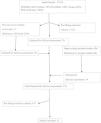
ResultsThe initial search produced 17,214 references, 17 of which were previous reviews relevant to this topic.2–8,17–26 The full text version of 178 papers was assessed for inclusion and finally 11 studies were included in this review.15,27–36 They were all considered to have good quality (Supplement 3).
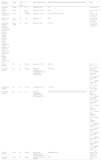
The number of studies identified in each stage of the search is presented in Fig. 1. The description of studies included in this review is presented in Table 1.

Description of studies included in the review.
| 1st author year(Country) | Design | Follow up (years) | N | Mental health disorder, n | Stroken (Participants with mental disorder/Those with no mental disorder) | Effect |
|---|---|---|---|---|---|---|
| Ohira. 2001 (Japan) | Cohort | 10 | 901 | Depression, 295 | 5/6 | RR: 0.9 (0.3–3.1) |
| Pan 2011 (USA) | Cohort | 6 | 80,574 women | Depression, 17,956 | 34/90 | HR: 1.20 (0.80–1.79) |
| Daskalopoulou 2016 (UK) | Cohort | 6.9 | 1,937,360 | Depression, 367,117 | SAH: 315/819PICH: 533/1610 | HR: 1.17 (1.01–1.35)HR: 1.30 (1.17–1.45) |
| Sallinen 2020 (Finland) | Case-Control | NA | 1000 | Depression, 117 | 30/87 | OR: 1.59 (0.89–2.83)RR: 1.48 (0.90–2.32)a |
| Murphy 2023 (Argentina, Australia, China, Brazil, Canada, Chile, Colombia, Croatia, Denmark, Ecuador, Germany, India, Iran, Ireland, Kuwait, Malaysia, Mozambique, Nigeria, Pakistan, Peru, Philippines, Poland, Russia, Saudi Arabia, South Sudan, Sweden, Thailand, Turkey, Uganda, UAE, UK) | Case-control | NA | 26,877 | Depression, 4362 | 18%/14% | OR: 1.56 (1.28–1.91)RR: 1.45 (1.23–1.69)a |
| Wu 2024 (Europe) | MR | NA | 500,199 | Depression, 170,756 | SAH 5140 | OR: 1.73 (1.14–2.61) p=0.009 |
| Wang 2023 (Europe) | MR | NA | 480,359 | Depression, 135,458Anxiety, 158,565Schizophrenia, 33,640Bipolar disorder, 20,352 | PICH 1253 | OR: 0.999 (0.098–1.001) p=0.415OR: 1.002 (0.994–1.009) p=0.664OR: 0.999 (0.998–1.001) p=0.799OR: 1.000 (0.999–1.001) p=0.0443 |
| Nakada 2024 (Europe) | MR | NA | 127,906 | Schizophrenia 52,017 | PICH 1687 | OR: 1.089 (1.005–1.180) p=0.037 |
| Xiang 2025 (Europe) | MR | NA | NA | Depression 13,548Anxiety NASchizophrenia 52,017Bipolar 41,917 | DPICHLPICHSAHDPICHLPICHSAHDPICHLPICHSAHDPICHLPICHSAH | OR: 1.831 (0.553–6.060e+00) p=0.322OR: 1.146 (0.448–2.931e+00) p=0.775OR: 1.349 (0.960–1.897) p=0.085OR: 4.079 (1.791e−02–2.68e+01) p=0.508OR: 0.075 (3.945e−04–1.42e+01) p=0.333OR: 4.582 (1.684e−01–124.675) p=0.366OR: 1.239 (0.983–1.562) p=0.070OR: 0.927 (0.716–1.200) p=0.565OR: 1.051 (0.959–1.151) p=0.286OR: 0.867 (0.548–1.371) p=0.542OR: 0.893 (0.518–1.540) p=0.684OR: 1.169 (0.984–1.389) p=0.075 |
| Wu 2022 (China) | Cohort | 9.6 | 487,209 | Panic attacks, 7268Generalised anxiety disorder, 624 | 229/984620/10,007 | HR: 1.20 (1.05–1.38)HR: 1.53 (0.98–2.37) |
| Chen 2017 (Taiwan) | Cohort | 10 | 29,845 | Borderline Personality, Dis.5969 | 20/17 | HR: 2.75 (0.89–8.48) |
Abbreviations: MR: Mendelian Randomisation, NA: not available, SAH: subarachnoid haemorrhage, PICH: primary intracerebral haemorrhage, DPICH: deep primary intracerebral haemorrhage, LPICH: lobar primary intracerebral haemorrhage, HR: hazard ratio, OR: odds ratio.
Eight of the included papers addressed the association between depression and haemorrhagic stroke. They had been published between 2001 and 2025. Three of them were cohort studies, two case-control studies, and three were MR studies. They had been conducted in Africa, America, Asia, Europe, and Oceania. Their sample size was reported in seven studies and ranged from 901 to 1,937,360. One study did not report the overall sample size, but the size of the subsamples used to investigate each mental health disorder was reported.27 However, there was no mention for participants that could be included in two or more subsamples.27 One study only included women.28 The measures of depression varied across studies. In two of them depression was assessed with a scale.28,29 Another one used clinical diagnosis or prescription of antidepressants to identify participants with depression.30 In one study self-reported depressive symptoms were collected using a validated adaptation of the short form of the Diagnostic and Statistical Manual of Mental Disorders (DSM IV) questionnaire for depression.31 The three MR studies used as exposure genetic variations associated with depression.27,32 Finally, in one study participants were asked if they had been feeling sad or depressed in the two weeks before entering the study.15 Two studies provided estimates of effect size as HR, while six studies used OR, and RR to present the association between depression and haemorrhagic stroke.
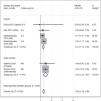
The association between depression and all subtypes of haemorrhagic stroke, was investigated in four studies, and it was reported to be significant in one of them.31 One study reported a significant association of depression with SAH and with PICH separately.30 A MR study investigated the association between depression and PICH only, which was reported to be significant.33Another MR study reported not significant associations between depression and three different outcomes: lobar PICH, deep PICH, and SAH.27 Finally, one MR study investigated the association between depression and SAH exclusively and it was not significant.32 The meta-analysis where cohort and case-control studies were included, showed a significant association between depression and an increased risk of haemorrhagic stroke, with a pooled HR: 1.28 (1.19–1.38). The studies were homogenous, heterogeneity I2 was nil. The meta-analysis showed a significant association between depression and haemorrhagic stroke also when cohort and case-control studies were pooled separately (Fig. 2). When the MR studies were included in the meta-analysis, the pooled HR remained significant 1.26 (1.08–1.44) (Supplement 4).

A significant association between panic attacks in the previous 12 months, assessed with a single question, and increased risk of haemorrhagic stroke was reported in a cohort study, with HR:1.20 (1.05–1.38).35 A MR study reported no association between genetic variations associated with anxiety disorders and PICH, and another one reported no association with lobar PICH, deep PICH, or SAH.27,32
Two MR studies investigated the association between genetic variations associated with schizophrenia and PICH, which was only significant in one of them.32,34 Another MR study reported a not significant association between genetic variations associated with schizophrenia and lobar PICH, deep PICH, or SAH separately.27 Two MR studies reported no significant association between genetic variations associated with bipolar disorders and the risk of PICH, lobar PICH, deep PICH, or SAH.27,32 Finally, a cohort study reported no significant association between clinical record of borderline personality and haemorrhagic stroke.36
DiscussionOur systematic review provides strong evidence of the association between depression and a risk of haemorrhagic stroke, which is increased by 28%. It has also identified three studies that observed no association between anxiety and haemorrhagic stroke, although in one of them an increased risk was observed specifically for patients with panic attacks. Furthermore, one of the three studies that addressed the risk of haemorrhagic stroke for those with schizophrenia reported it to be increased. Evidence from two studies showed that those with bipolar disorder, do not have an increased risk of haemorrhagic stroke. Finally, a single study showed that those with borderline personality disorder do not have an increased risk of haemorrhagic stroke. The association of depression, anxiety, and schizophrenia with all types of strokes had been reported before.2,6–8 However, to our knowledge, no systematic reviews have addressed the risk of heamorrhagic stroke.
The associations observed in this review are likely to have a multifactorial mechanism. Strong evidence shows that patients with psychiatric disorders have a higher prevalence of cardiovascular risk factors, poorer access to health care, and use of medication that increases the risk of cardiovascular events.1,37,38 An increased risk of intracranial haemorrhage for those who take selective serotonin reuptake inhibitors (SSRIs) has been reported.39 Biological mechanisms, may also be involved in the association between psychiatric disorders and haemorrhagic stroke. These would include immunological dysfunctions, oxidative stress, the increased activity of the sympathetic nervous system, abrupt changes of blood pressure, and the existence of untreated subclinical vascular disease, which can all affect patients with mental health disorders.1,40 Given the evidence available on explanatory factors for the increased cardiovascular risk in patients with psychiatric disorders, the consistent lack of association of depression, anxiety, schizophrenia, and bipolar disorder, with haemorrhagic stroke, presented in two of the MR studies included in this review, is an unexpected result.27,32 The differences between haemorrhagic and ischaemic strokes, may explain these findings. It is also possible that the methodology used in the studies that report these results may have led to real associations not being observed. One of these studies used a two-sample two-way MR, and five different methods to calculate odds ratios. The authors chose to focus on the inverse variance weighted to present their main conclusions. However, different methods often provide different results, so this practice introduces a question on the robustness of results.27
This systematic review has strengths and limitations. The comprehensive search and critical assessment of studies conducted in this review allowed the estimation of the risk of haemorrhagic stroke for large number of patients with depression. However, it is possible that some relevant studies may not have been identified in the search. The guidelines for reporting meta-analyses of observational studies were used. Two doctors extracted the data, which were checked for accuracy on multiple occasions, and all analyses were conducted several times by a senior statistician (SA). These represent strengths of this review.10 The diversity of the methods used across studies may have affected the external validity of each individual one. In this review, this effect was minimised with the categorisation of studies by design. Some studies did not use a clinical diagnosis of the mental health condition and this may have led to an underestimation of the association with heamorrhagic stroke. It should be noted that the heterogeneity between studies was tested and it was not significant. The MR studies are not based on standard methods, for example, instrumental variables were introduced. Supplement 4 presented in this review was used to ensure the inclusion of all relevant studies for data synthesis and to highlight content, but not to provide a reliable summary estimate.
The evidence available shows that patients with depression have an increased risk of ischaemic stroke.6,7 Our study shows that the risk of haemorrhagic events is also increased for these patients. Given the high mortality of haemorrhagic strokes, it can now be advised that clinicians acknowledge the high cardiovascular risk of patients with depression.
The association of mental disorders, other than depression, with haemorrhagic stroke remains unclear and needs further research. The possible differences in outcomes of haemorrhagic stroke, such as mortality and disability, for those with all psychiatric conditions, also requires new studies. Future research should also address the associations with SAH and PICH separately, as they are different clinical conditions. Studies designed to overcome the weaknesses of RCTs and observational studies, or robust methods to integrate the evidence arising from these two types of studies, are required to clarify the beneficial and harmful effects of psychiatric medication. Future studies could also investigate if an effective management of mental conditions may reduce the risk of stroke and the mortality and disability associated with it.
ContributorshipLA conceived the original idea that was then modified by QFB, IF, MPP, RM and SA. MPP secured the funding. LA, QFB, and IF conducted searches and extracted the data. SA conducted the statistical analysis. LA wrote the first draft that was then improved with contributions from QFB, IF, MPP, RM and SA.
Ethical approvalNot required.
GuarantorLuis Ayerbe.
RegistrationThis review was registered in the International prospective register of systematic reviews (PROSPERO), with reference: CRD42023396664.
FundingThis study was funded by a grant from the Claire Wand Fund. S.A. was funded by the National Institute for Health Research (NIHR) Biomedical Research Centre based at Guy's and St Thomas’ NHS Foundation Trust and King's College London. The views expressed are those of the authors and not necessarily those of the NHS, the NIHR, or the Department of Health.
Conflict of interestsNone.
Data availability statementThe data that support the findings of this study were derived from the following resources available in the public domain: Embase, PsychInfo, PubMed, Scopus and the Web of Science.
None.
The followings are the supplementary data to this article: